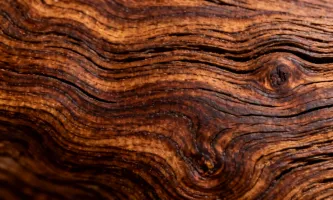
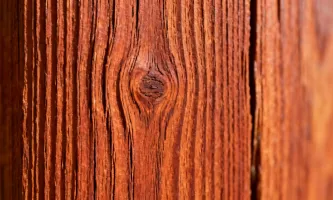
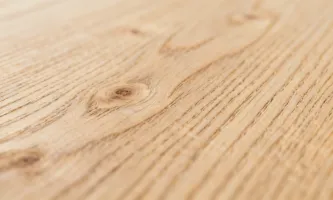
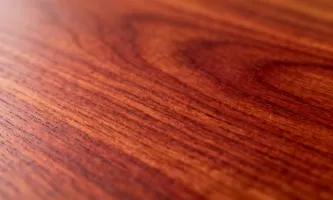
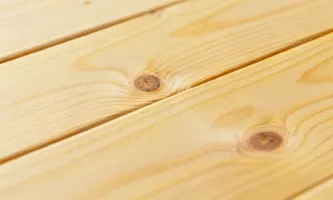
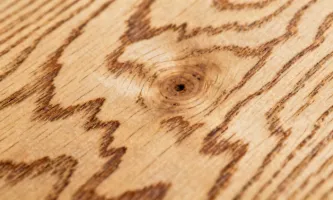
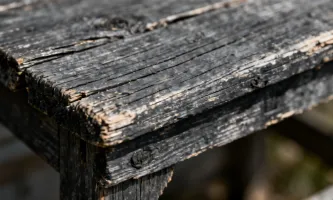
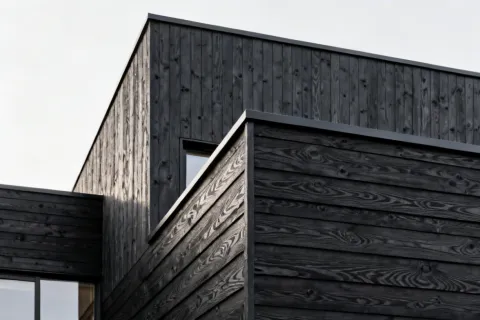
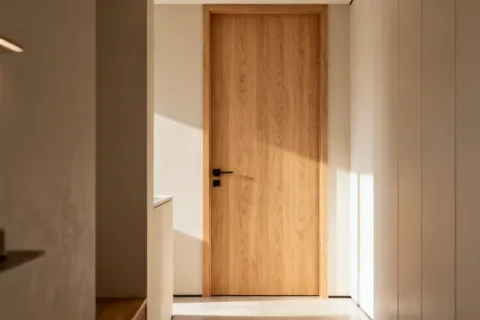
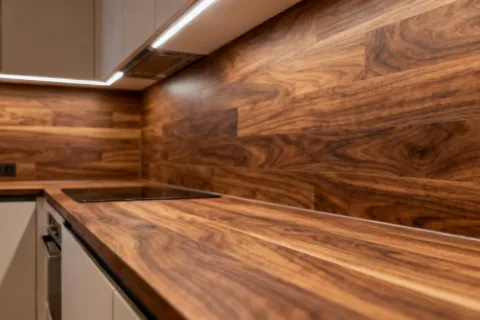
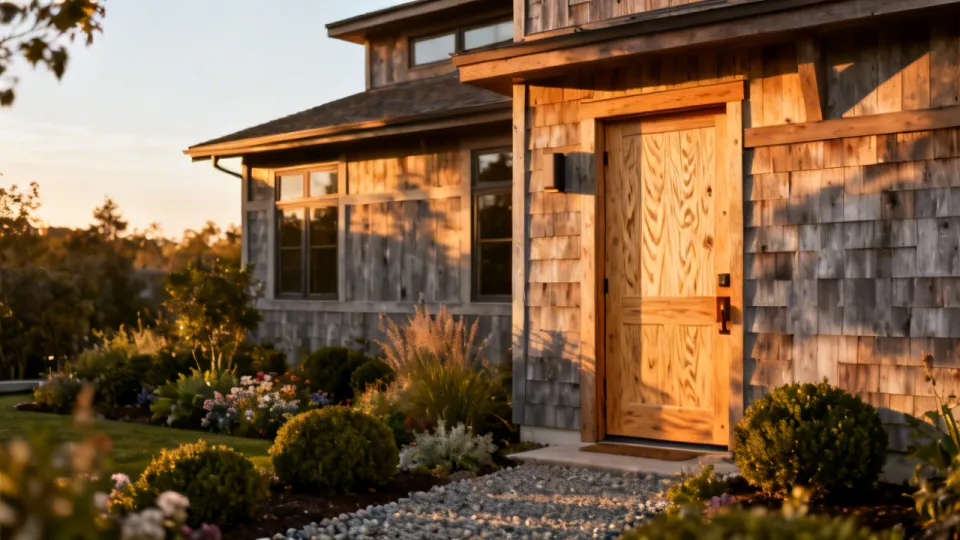
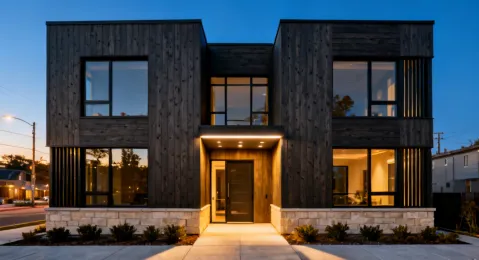
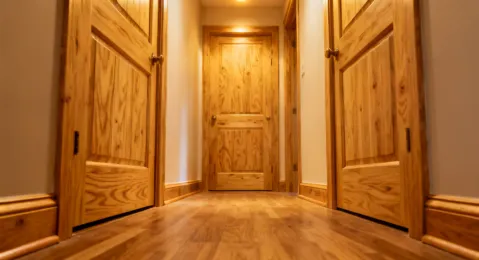
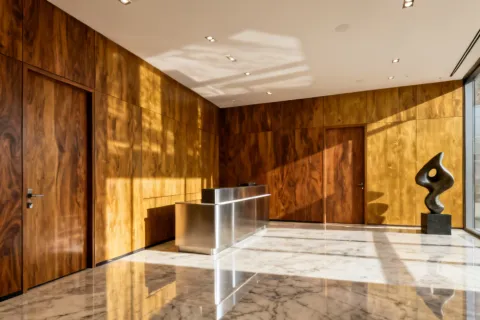
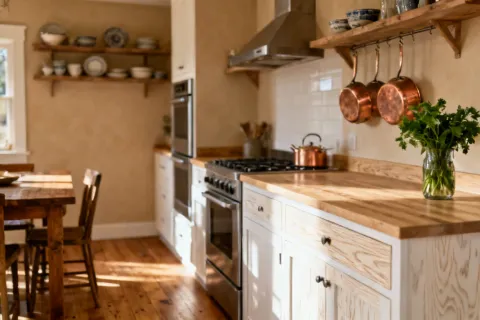
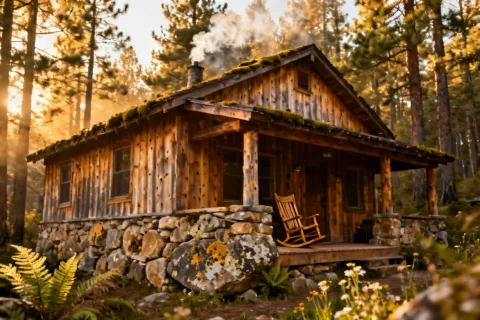
From white oak entry doors to charcoal composite cladding, this guide helps you choose the woodgrain profile that fits your project's style, performance requirements, and budget.
Start with Species Request a Sample Kit
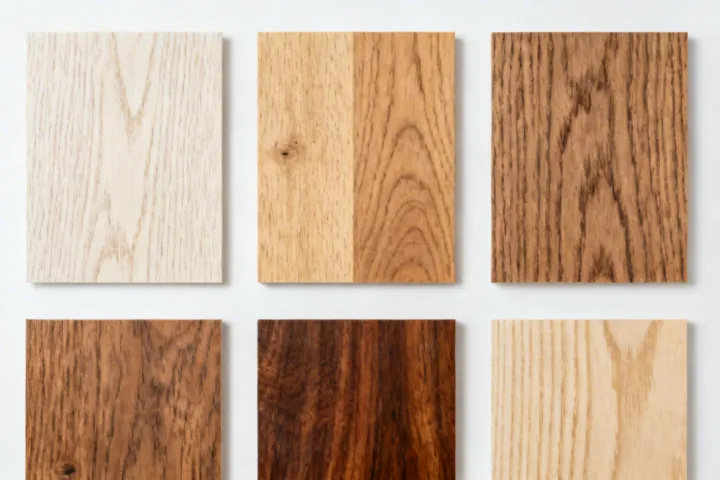
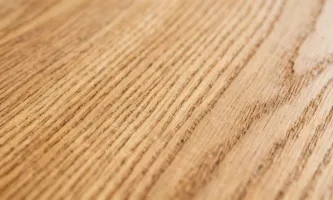
Woodgrain produces 48 species profiles. Below are our most popular selections for North American residential and commercial projects.
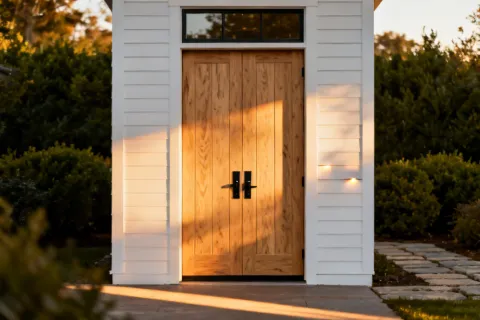
White Oak
Walnut
Cedar
Ash
Cherry
Pine
Hickory
Maple
Charcoal
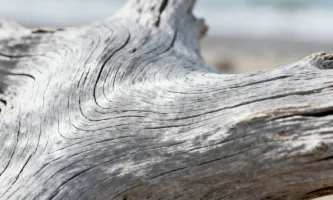
Driftwood
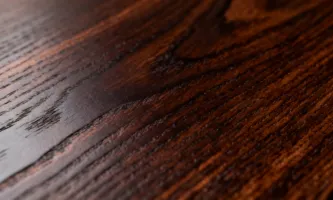
Espresso
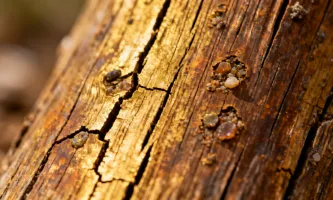
Antique
Showing 12 of 48 available profiles. Request a full sample catalog →
Different species profiles perform differently in different applications. Use this guide to narrow your selection.
Best species: White Oak, Mahogany, Cherry, Walnut. Fiberglass substrate for weather resistance. Available with glass lites.
Best species: Cedar, Pine, Charcoal, Driftwood. Metal and vinyl substrates for zero-maintenance exteriors.
Best species: Maple, Ash, Hickory, Espresso. Hollow-core and solid-core options for every budget.
Best species: Walnut, Antique, White Oak. High-pressure laminate with realistic emboss for countertops and wall panels.
For cohesive exteriors, we recommend limiting your palette to three woodgrain profiles: a dominant (siding), a complementary (trim/soffit), and an accent (entry door). This creates visual hierarchy without confusion.
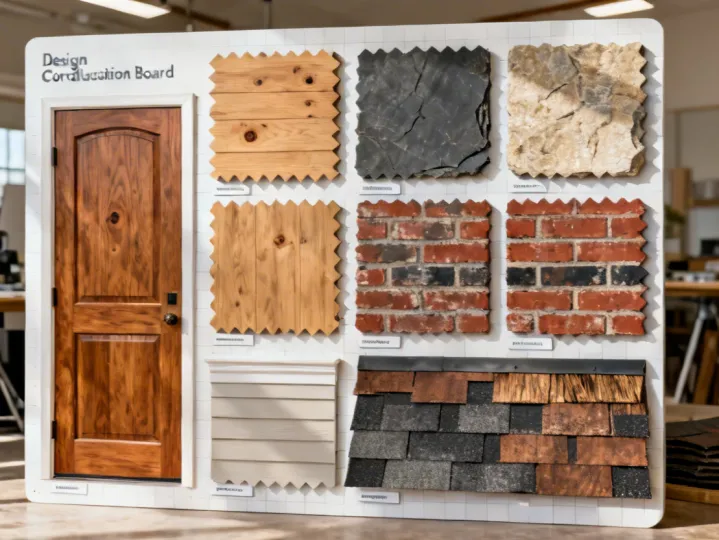
Request a sample kit and hold it against your existing brick, stone, or roof color in natural light. Colors shift significantly between fluorescent showroom lighting and outdoor daylight conditions.
Our design specialists will review your project photos and provide tailored species and finish recommendations — at no charge.
Get a Design ConsultationChoosing a woodgrain surface system involves real trade-offs. This comparison is based on manufacturer published data, ASTM test results, and industry-standard installation cost data from the RSMeans 2024 Construction Cost Database.
| Feature | Woodgrain Fiberglass Door | Solid Wood Door | Steel Door (plain) | Aluminum Door |
|---|---|---|---|---|
| Weather Resistance (WDMA I.S.6A) | Passes all cycles; no warping | Finish degradation in freeze-thaw | Passes; prone to denting | Passes; no woodgrain depth |
| Thermal Performance (U-factor) | 0.17–0.21 (ENERGY STAR qualified) | 0.30–0.50 (varies by species/thickness) | 0.20–0.25 with foam core | 0.30–0.60 (thermal bridge risk) |
| Refinishability | Repaintable; cannot be re-profiled | Sandable and re-profiled; full refinish | Repaintable only | Powder-coat only; not site-repaintable |
| Maintenance Cycle | Inspect annually; repaint 8–12 years | Refinish every 3–5 years (exterior) | Inspect annually; touch-up as needed | Low maintenance; no repainting |
| Installed Cost (typical residential) | $600–$1,400 (pre-hung, painted) | $900–$3,500+ (species-dependent) | $400–$900 (pre-hung) | $800–$2,200 (frame system) |
| Fire Rating Availability | 20-min to 90-min rated options | Available in solid-core wood fire doors | 20-min to 3-hour rated | Available in commercial frames |
| Feature | Woodgrain Metal Cladding | Real Cedar Siding | Vinyl Siding (standard) | Fiber Cement (HardieBoard) |
|---|---|---|---|---|
| UV Resistance | Fluorocarbon coat; passes ASTM D4587 | Needs recoat every 5–7 years | Good; color fades gradually over 15+ years | Good; paint holds 10–15 years |
| Moisture/Rot Resistance | Impervious — no wood fiber content | Naturally rot-resistant; not immune | Impervious — no wood fiber | Resistant when properly installed |
| Freeze-Thaw Performance | No dimensional change | Expansion/contraction; joint movement | Brittle in temperatures below -10°C / 14°F | Stable; cracking risk at fastener points |
| Insect Vulnerability | None | Susceptible to carpenter bees, woodpeckers | None | None (no cellulose in standard mixes) |
| Recoatability | Factory finish; full panel replacement to recolor | Stain any color; full refinishability | Limited; factory color is primary | Paintable on site; flexible color options |
| 20-Year Maintenance Cost (est.) | Low — inspect, clean; no repainting | High — 3–4 refinish cycles | Low — no painting | Medium — 1–2 repaint cycles |
Cost data referenced from RSMeans 2024 Construction Cost Database. Performance data from manufacturer-published technical data sheets and ASTM testing results. Contact us for project-specific data sheets.
Woodgrain products perform exceptionally across most North American climates and building types — but honest specification requires knowing where the boundaries are.
Vinyl-substrate woodgrain products are rated for use in USDA Hardiness Zones 3 through 11 (minimum ambient temperature -29°C / -20°F during installation and service). In subarctic climates (Zones 1–2), thermal cycling can cause micro-cracking in vinyl profiles over time. Metal and fiberglass substrates are not subject to this limitation and are the recommended choice for extreme northern installations in Canada and Alaska.
Metal woodgrain cladding panels are coated with a fluorocarbon protective finish that resists standard coastal salt air (Zone C per ASTM B117). However, in direct marine spray environments — piers, seawalls, beachfront structures within 50 feet of the waterline — we recommend specifying our stainless-fastener coastal kit and increasing inspection frequency to semi-annual. Without proper fastener selection, galvanic corrosion can undermine panel integrity at attachment points within 5–8 years.
Unlike real wood, fiberglass door skins and composite cladding panels cannot be sanded, re-carved, or re-profiled after manufacturing. Deep gouges or impact damage to embossed texture require section or panel replacement rather than on-site woodworking repair. This is a meaningful trade-off compared to solid wood for historic renovations or projects where future customization is expected. Touch-up paint kits are available for minor surface scratches.
Metal cladding panels use factory-applied fluorocarbon finish as the color system. Unlike fiber cement or real wood, metal panels cannot be field-repainted to a different color using standard latex exterior paints — the fluorocarbon surface requires specialty adhesion primers and compatible topcoats. Homeowners or developers who anticipate rebranding or color changes to a building's exterior within 10–15 years should factor this into product selection. Solid-color vinyl and fiber cement offer greater field-recoat flexibility.
Projects by builders and architects who specified Woodgrain products.